The Complete Tulum Ruins Trip Planning Checklist
Everything to sort before visiting the Tulum ruins, organised into a simple countdown: 2–3 weeks out, 1 week out, the day before, and the day itself.
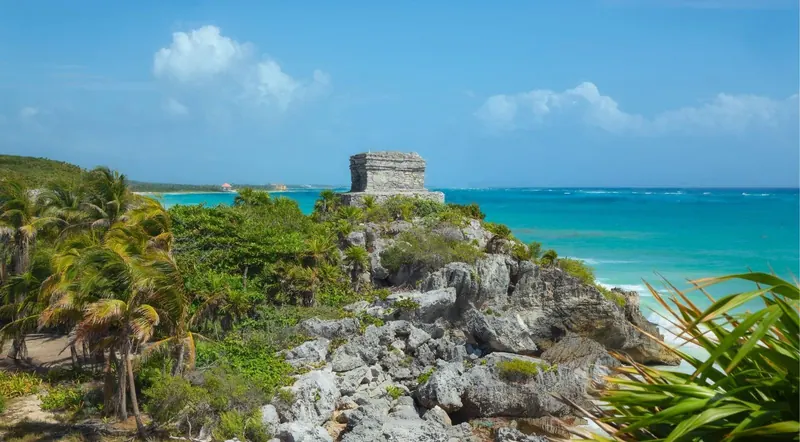
You’ve decided to go. Now it’s a matter of sorting the details. This is the skimmable version: every decision and confirmation you need to make, organised on a simple countdown, with a pointer to the full guide for anything that needs more than a checkbox.
One standing rule before anything else: re-verify fees, hours and access rules the week you travel. This cluster has tracked repeated changes to Tulum’s entry system through 2025 and 2026. Nothing below is wrong as of this writing, but “as of this writing” matters more here than at most destinations.
If you’d like a guide and a start time settled in advance, the guided walk below has various start times you can compare by date:
What’s Changed Recently (Check This First)
A few developments to know about before you start on the checklist:
- The entrance fee dropped, not rose. Foreign visitors now pay 265 pesos in total under the July 2026 “Plan Tulum Renace” decree, considerably less than the earlier structure. If you’ve seen a higher figure quoted online, it’s outdated. Full breakdown in our ticketing guide.
- A new operator runs ticket collection. Our ticketing guide reports that on 27 July 2026 a company called GAFSACOMM took over from INAH. For visitors the experience is the same, since you still buy in person and in cash, but booth arrangements may still be settling.
- Security screening was added at the entrance. Following an isolated incident at a different Mexican archaeological site earlier in 2026, INAH installed metal detectors and bag checks at several major sites, including Tulum. This isn’t a response to any Tulum-specific concern (our safety guide has the context), but budget a few extra minutes at the gate.
- 2026 is a heavy sargassum year. Tracking data shows this year running well above average. Check a live tracker in your final week; more on this below.
- There is still no official way to buy Tulum tickets online. This hasn’t changed. You pay in cash, in person, at the gate.
Other Experiences You Might Enjoy
A Tulum trip rarely stops at the ruins. The sea turtles of Akumal, the climbable jungle pyramid at Cobá, the freshwater cenotes along the Cobá road, the Muyil ruins and the lazy-river float through the Sian Ka’an Biosphere Reserve, and the long day inland to Chichén Itzá and colonial Valladolid are all day trips from a Tulum or Riviera Maya base. Current availability and pricing for these and other experiences along this stretch of coast are below.
Stage 1: Two to Three Weeks Before
This is when you lock in the decisions that shape everything else.
Choose your base. Where you stay determines your travel time to the ruins more than almost anything else. See our departure guides for Cancún, Playa del Carmen, and Cozumel if you’re arriving by cruise. If you’re based in Cancún, the Tulum ruins, Cenote Mariposa and Playa del Carmen day from Cancún includes hotel pickup and is rated 4.6 from 457 reviews, from $34 plus a $40 fee per adult paid in cash on the day.
Decide how you want to experience the ruins. Private, small-group or self-guided each has real trade-offs in cost, flexibility and pacing, and our tour formats guide walks through the decision. The shortest guided option is the Tulum Archaeological Zone Guided Walking Tour (1 hour 15 minutes, rated 4.9 from 110 reviews, from $17), and the private Tulum ruins guide starts at $82 per group, though it rates 4.5 from only 13 reviews, so read them first.
Decide what to combine it with. A cenote, Akumal’s turtles, Cobá’s climbable pyramid, or Sian Ka’an’s wild biosphere reserve are all realistic pairings, each suited to a different kind of traveller. The packaged Tulum, cenote and Akumal turtle swim day from Cancún is rated 4.5 from 376 reviews, from $84 plus a $40 fee paid in cash on the day, and the Muyil ruins and Sian Ka’an lazy river tour from Tulum is rated 4.8 from 439 reviews, from $219. What doesn’t work is combining Tulum with Chichén Itzá in a single day; that guide covers why, and what to do instead.
Pick your dates with the calendar in mind. Crowds, weather and holiday surges vary enormously by month. Our best-time-to-visit guide covers the full picture, including which weeks to avoid.
Book anything that might sell out. Popular tour slots and cenote add-ons fill up in high season, so confirm your booking has free cancellation to keep your plan flexible.
Travelling with kids? Decide now whether a private tour makes sense for your children’s ages. Our family guide covers the trade-offs, including the stroller-versus-carrier question.
Stage 2: One Week Before
Now you confirm everything you locked in, and build in your contingencies.
Re-verify the entrance fee and hours. Check our ticketing guide for the current figures. This is the single most important re-check on the whole list, given how often it has moved.
Check a live sargassum tracker. If conditions look heavy for your dates, shift your beach time toward a cenote instead, since cenotes are unaffected by coastal conditions. Our cenotes guide has the full list.
Check the weather forecast and build a rain plan. The ruins stay open in light rain, and a cenote or indoor activity is your natural backup for anything heavier.
Review current safety guidance. Nothing alarming here: Quintana Roo sits at the same travel-advisory tier as popular destinations like France and Italy. Our safety guide covers the practical precautions, including common scams to watch for.
Confirm your tour booking and pickup details, or, if you’re going self-guided, confirm your transport plan.
Photographers: review the current camera and drone rules so you’re not caught out at the gate, and plan your shot list around the best light.
Planning to bike to the ruins? If you’re renting, ask your shop about reserving ahead in high season. Our bike tours guide covers the route and logistics.
Stage 3: The Day Before
Get cash. Pesos, in small bills. This matters: the ruins entrance, parking, cenotes and most transport options are cash-only, and there’s no ATM at the site itself. Withdraw the day before, not the morning of.
Pack your day bag; the full list is below.
Set an early alarm. The single best thing you can do for your visit is arrive at the 08:00 opening, the coolest part of the day. Our pillar guide explains why this matters so much.
Charge your phone and camera, and if you were considering bringing a drone, don’t. It’s prohibited at the site, full stop.
Lay out reef-safe sunscreen if a cenote or beach stop is on your itinerary. Cenotes prohibit conventional sunscreen and many prohibit all of it, so apply reef-safe sunscreen well before you arrive or wear a UPF rash guard, as the cenotes guide explains.
Do one final check of the sargassum tracker and weather forecast before you turn in.
Stage 4: The Day Of
Arrive for the 08:00 opening. Enter through Parque del Jaguar, and allow a few extra minutes for the security screening at the gate.
Buy your tickets on site, in cash, at the official booths, and never from anyone approaching you in the parking area.
Move through the structures with intention. If you’re pressed for time, prioritise El Castillo, the Temple of the Frescoes, the Temple of the Descending God and the Temple of the Wind God. Our structures deep-dive explains what makes each one worth the stop.
Beat the heat. Hydrate constantly, and aim to have the ruins portion of your day wrapped up by around 10:30, before both the crowds and the sun peak.
Reward yourself with your second stop: a cenote, the beach, or Cobá, depending on what you planned.
Visit respectfully. Stay on marked paths, don’t touch any structure, and pack out anything you bring in. These small things matter at a fragile site, and our responsible tourism guide covers why they matter more here than at most destinations.
Packing List
Bring:
- Pesos in cash, small bills
- Water, at least 1.5 litres
- Reef-safe sunscreen (non-nano zinc oxide or titanium dioxide only)
- A hat and sunglasses
- Closed-toe walking shoes
- Light, breathable layers
- A packable rain poncho
- Swimwear worn under your clothes, if a cenote or beach is planned
- A quick-dry towel
- A dry bag for your phone or camera
- Insect repellent, especially if Cobá is on your itinerary
- Your phone or camera, charged
- Snacks
Leave behind:
- Your drone, which is banned at the site with no exceptions
- Large tripods or professional camera rigs, unless you’ve arranged the appropriate permit
- Single-use plastics, which are restricted inside the park
- Anything you’d hate to lose, so keep valuables to a minimum
Last-Minute Questions, Answered
What should I wear? Light layers, a hat, and proper closed-toe walking shoes. There’s almost no shade anywhere on site.
What if it rains? The ruins stay open through light rain. For anything heavier, a cenote makes a natural backup.
Do I need a guide? Not strictly, but the payoff is real: the site has limited on-site signage, and a good guide fills in what you’d otherwise miss. See our format guide for the full range of options, including hiring a licensed guide from the booth near the entrance.
Cash or card? Cash, always. Card acceptance at the gate is unreliable, and there’s no ATM on site.
Can I buy tickets online in advance? No. There’s still no official online ticketing channel, so you pay in person, in cash, at the gate.
Is it safe? Yes, for the great majority of visitors taking normal precautions. Full context in our safety guide.
How long do I need? Ninety minutes to two and a half hours at the ruins themselves, depending on your pace and whether you have a guide.
Is the beach open, and is sargassum going to ruin it? Check a live tracker close to your date, since 2026 has been a heavier year than most. If conditions are bad, pivot to a cenote instead.
Can I fly a drone? No.
Can I climb anything? Not at Tulum, where every structure is roped off. If climbing matters to you, Cobá’s Nohoch Mul pyramid reopened to climbers in December 2025, and Ek Balam is the other climbable option covered in our Chichén Itzá guide.
The Full Cluster, at a Glance
Every article referenced above, in one place, if you want to dig deeper on anything:
Getting started: The complete Tulum ruins guide · Tickets, entry fees & hours · How much does a Tulum ruins tour cost? · What to expect at the ruins
Getting there: From Cancún · Getting to Tulum from Cancún, the quick overview · From Playa del Carmen · From a Cozumel cruise · By bike · On foot
Choosing your format: Private vs. small-group vs. self-guided
What to see, and when: Inside the archaeological zone · Best time to visit · Photography guide
Pairing your visit: Ruins + cenotes · Ruins + Akumal turtles · Ruins + Cobá · Sian Ka’an Biosphere Reserve · Should you add Chichén Itzá? · Tulum or Chichén Itzá? · Every Maya ruin in the region
Special considerations: Visiting with kids · Is Tulum safe? · Visiting responsibly
Ready to Book
You’ve got the checklist. Here’s the tour to match it. Check dates and start times for the guided walk in the calendar above, or compare every option before you choose.
This checklist consolidates the full Tulum ruins content cluster, verified August 2026. Fees, hours and access rules have changed repeatedly through 2025 and 2026, so always confirm current details in the week before you travel. Ratings and review counts re-checked live on 19 September 2026 and will drift as new guests review.
Walk Through 800 Years of Maya History
Join guests who rated this guided walking tour 4.9/5. A certified local guide, skip-the-confusion entry, and beach access afterward — all included. Free cancellation.
Check Availability & Book