Tulum Ruins Tickets, Entry Fees & Opening Hours
Tulum ruins tickets cost 265 pesos for foreign visitors in 2026 after July's fee overhaul. Full breakdown of every charge, opening hours, free entry rules and scams to avoid.
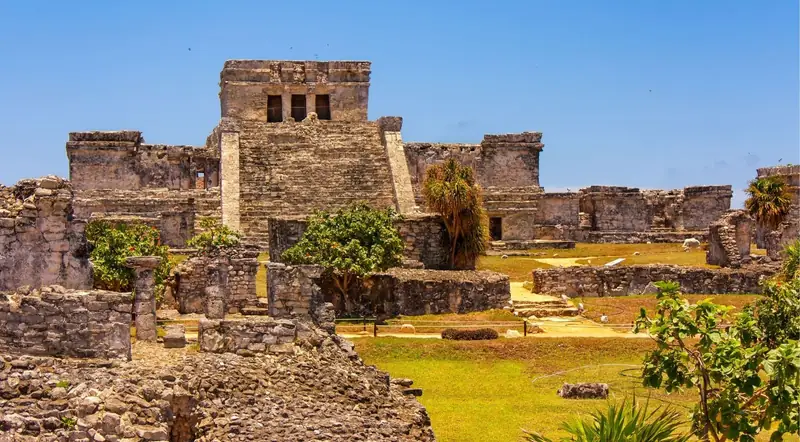
Tulum’s entry costs were rebuilt from scratch in July 2026, and the result is dramatic: a foreign visitor who would have paid well over 500 pesos in June now pays 265 pesos. Almost every guide currently online still quotes the old numbers.
This page has the current structure, itemised charge by charge, along with the parts that trip people up — the cash-only booths, the concessions that don’t apply to foreign tourists, and the vouchers that don’t include what you think they include. If you’re still deciding what kind of tour to book rather than just the ticket cost, see our complete Tulum ruins tours guide.
Verified August 2026. These figures come from the federal decree effective 20 July 2026, set for fiscal years 2026 and 2027. Confirm before you travel.
How Much Are Tulum Ruins Tickets in 2026?
A foreign adult pays 265 pesos — roughly $15 USD — to see everything. That total is three separate charges, collected by three different bodies:
| Charge | Collected by | Foreign visitor | Mexican national |
|---|---|---|---|
| Parque del Jaguar access | Grupo Mundo Maya (GAFSACOMM) | 100 pesos | Free |
| Archaeological zone | INAH | 100 pesos | 50 pesos |
| Parque Nacional Tulum | CONANP | 65 pesos | 30 pesos (Mon–Sat) |
| Total | 265 pesos | 80 pesos Mon–Sat, free Sundays |
In practice the INAH and CONANP portions are paid together as a single 165-peso transaction for foreigners, or 80 pesos for nationals. The park fee is separate. Accredited residents of the municipality of Tulum receive a full credit on the zone and park fees, effectively entering free any day.
The cuts were implemented as fiscal credits against the Ley Federal de Derechos, which matters for one reason: the credits are written for fiscal years 2026 and 2027 only. What happens in 2028 isn’t yet decided.
Other Experiences You Might Enjoy
Once your Tulum ruins tickets are sorted, it’s worth planning the rest of the day around the site — a cenote stop at Cenote Mariposa, sea turtle snorkeling at Akumal, a full-day trip to Chichén Itzá near Valladolid, or time at Sian Ka’an Biosphere Reserve just south of Tulum. Current availability and pricing for these and other Tulum-area tours are below.
Where and How You Pay
Expect a multi-counter process, not a single ticket window — this surprises nearly everyone. The usual sequence: pay the park and conservation charges at the Parque del Jaguar entrance, where you’ll receive a scannable wristband, then pay the INAH archaeological zone fee at a booth closer to the ruins themselves. On 27 July 2026, GAFSACOMM took over ticket collection from INAH, so treat this sequence as the expected pattern rather than a guarantee — booth arrangements may still be settling.
Bring cash in pesos. Card terminals exist at some booths, but power and network failures are frequent, and there’s nothing reliable in the way of ATMs on site — withdraw in Tulum Pueblo or along Highway 307 first. Carry small bills; booths often can’t break large notes.
Who Gets In Free — and the Trap for Foreign Visitors
This is the most misreported detail in the whole subject, so read it carefully: INAH concessions apply only to Mexican nationals and foreign legal residents of Mexico — children under 13, students and teachers with a valid credential, seniors holding an INAPAM card, and people with disabilities. A foreign senior, a foreign student, and a foreign visitor on a Sunday all pay the full 265 pesos. If you’ve read elsewhere that seniors or students get in cheaper at Tulum, that advice was written about Mexican nationals.
Sunday free entry applies to Mexican nationals and foreign residents with proof — so Sundays may draw more domestic visitors, though INAH publishes no day-of-week counts to confirm it. If you’re a foreign visitor paying full price regardless, there’s no upside to choosing Sunday.
Do You Need to Buy Tickets in Advance?
No — walk-up purchase is standard and works fine. There’s no official online ticket for the archaeological zone; INAH’s national ticketing portal doesn’t reliably process international purchases. The official information sources are inah.gob.mx and the Parque del Jaguar site operated by Grupo Mundo Maya.
Third-party platforms do sell Tulum entry and tour products, and they’re frequently misunderstood — many vouchers don’t cover the government fees, meaning what you’ve bought is a guide, transport, or booking service, with entry still due in cash at the gate. Before buying, check whether the listing covers the archaeological zone only or the park as well, whether the government fee is included, and where the meeting point actually is. For a genuinely guided experience with transport and entry handled together, a tour makes sense — check availability above.
Watch for sellers working the parking areas and approach road who claim the official counters are closed or queued for hours. Ignore them and walk to the official taquilla — it’s always open during posted hours.
Opening Hours, Last Admission and Closures
| Area | Hours | Last entry |
|---|---|---|
| Archaeological zone | 08:00–17:00 daily | 15:30 |
| Parque del Jaguar | 08:00–19:00 | 17:00 |
| Park beaches and trails | approx. 06:00–18:00 | — |
Last admission to the ruins is 15:30, not 17:00 — some secondary sources list 16:00 or 16:30, but INAH’s own posted hours say 15:30 and that’s the figure to plan around. The site closes on 1 January and 25 December, and occasional multi-day maintenance closures happen with limited notice — check before travelling if your itinerary has no flexibility.
Be at the gate for the 08:00 opening. Tour buses from Cancún and Playa del Carmen begin arriving around 10:00, and midday queues in high season run 30 to 45 minutes with almost no shade.
The Entry Experience, Step by Step
- Arrival — the entrance is at km 230 of Highway 307, about 4–5 km north of Tulum Pueblo.
- Parking — private lots near the entrance charge roughly 100–160 pesos, cash; an official lot sits near a roundabout about 800 m out.
- The walk — from parking to the ticket area is 700 m to 1 km, around 10–15 minutes on foot, in open sun. An optional tourist tram covers the stretch for around 20 pesos (not INAH-operated, so pricing varies).
- Ticket booths — park and conservation fees first, then the archaeological zone fee. Cash.
- In-park transport — electric vehicles circulate within the park at 20 pesos for adults, 10 for children. Walking and cycling are free.
- Bag check — tripods aren’t permitted inside; outside food is discouraged and there are no meaningful lockers.
- No re-entry — once you leave the zone, you’re out. Restrooms are in the services area near the ticketing zone.
Camera Permits, Drones and Guides
A per-device fee — reported at 45 to 55 pesos — applies to GoPros, DSLRs, camcorders, and tripods; smartphones are free. Enforcement is inconsistent, but budget for it. Drones are prohibited in the archaeological zone; commercial aerial work requires advance INAH authorisation that’s rarely granted, and confiscation is a real risk.
INAH and SECTUR-accredited guides work from an official booth near the entrance, with a group rate typically in the region of 600–800 pesos, cash, split among your party. Check the official credential badge, and only hire at the official booth — never from someone approaching you in the parking area.
How Tulum Compares to Other Maya Sites
The July 2026 decree transformed Tulum’s value proposition. Approximate 2026 totals for a foreign adult:
| Site | Approx. foreign adult total | Structure |
|---|---|---|
| Tulum | 265 pesos | Federal only, post-decree |
| Cobá | ~330 pesos | INAH plus community fee |
| Uxmal | ~560–590 pesos | INAH plus Yucatán state fee |
| Ek Balam | ~580–710 pesos | INAH plus Yucatán state fee |
| Chichén Itzá | ~697 pesos | INAH plus a much larger state fee |
Tulum now costs roughly a third of Chichén Itzá. The two sites offer very different experiences — see our Tulum vs Chichén Itzá comparison for the full picture — but for anyone weighing which Maya site to prioritise on a short trip, the price gap is a meaningful factor. There’s no combined multi-site pass in Quintana Roo or Yucatán; tours bundle sites logistically, not fiscally.
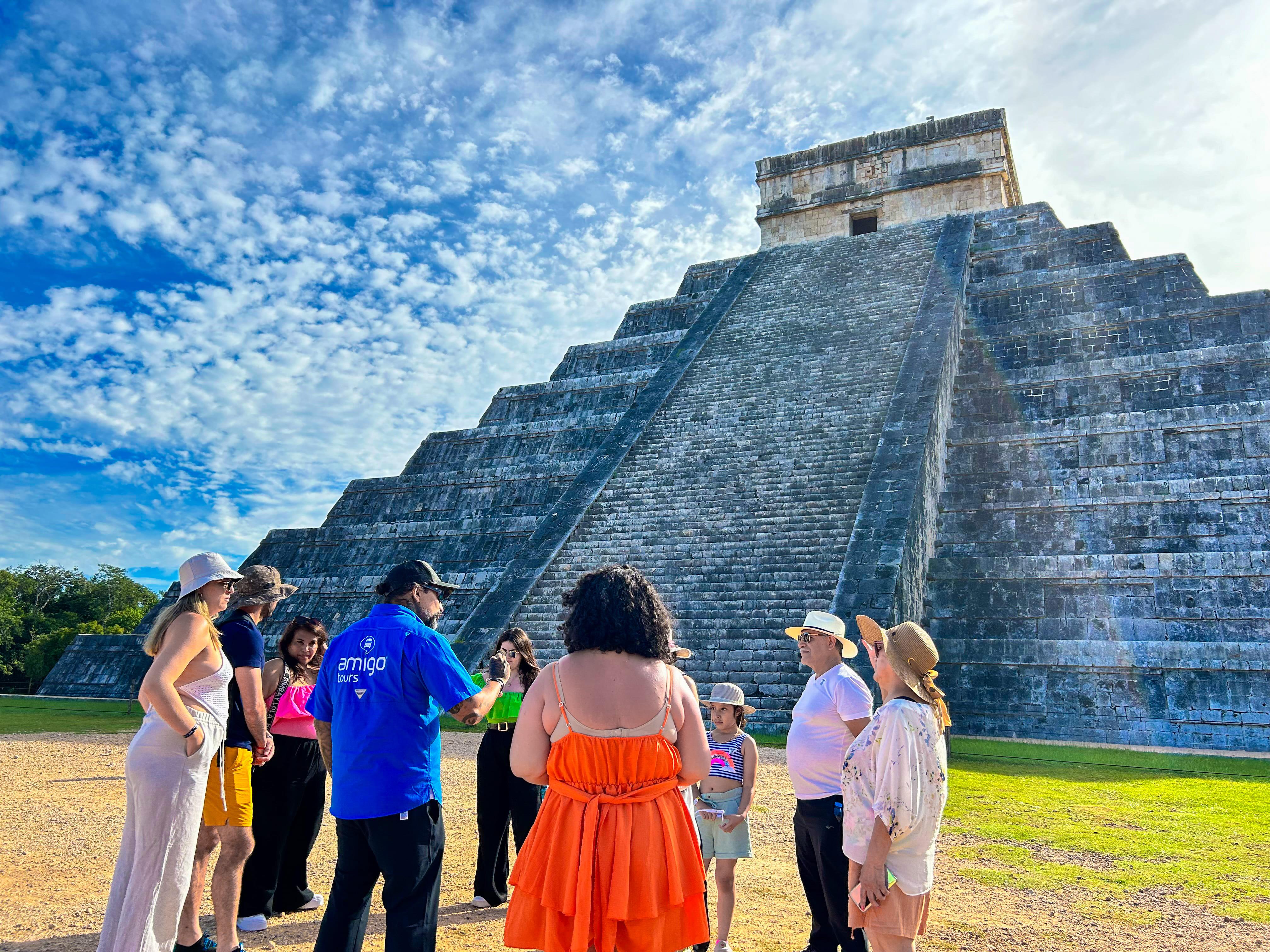
Cancun: Chichen Itza, Cenote & Valladolid Tour with Lunch
A full-day trip to Chichén Itzá with a cenote swim, lunch, and a stop in Valladolid — worth booking as its own day rather than squeezing in with Tulum.
Before You Go
Three things to do the week you travel: reconfirm the fees at inah.gob.mx since this decree is new and ticketing operations changed hands in late July 2026, withdraw pesos before you reach the site in small bills, and check for maintenance closures if your itinerary has no slack.
Ready to book? Check availability for our featured Tulum ruins guided walking tour above — entry fees, transport, and a certified guide handled in one booking.
Walk Through 800 Years of Maya History
Join guests who rated this guided walking tour 4.9/5. A certified local guide, skip-the-confusion entry, and beach access afterward — all included. Free cancellation.
Check Availability & Book