How Much Does a Tulum Ruins Tour Cost?
A guided walk around the Tulum ruins starts at $17 per person if you are already in Tulum. A day trip from Cancún or Playa del Carmen starts at about $26 to $34 on the booking page, but most add a fee of $40 or more per adult, paid in cash on the morning. Here is what you get as the price goes up, and what each price leaves out.
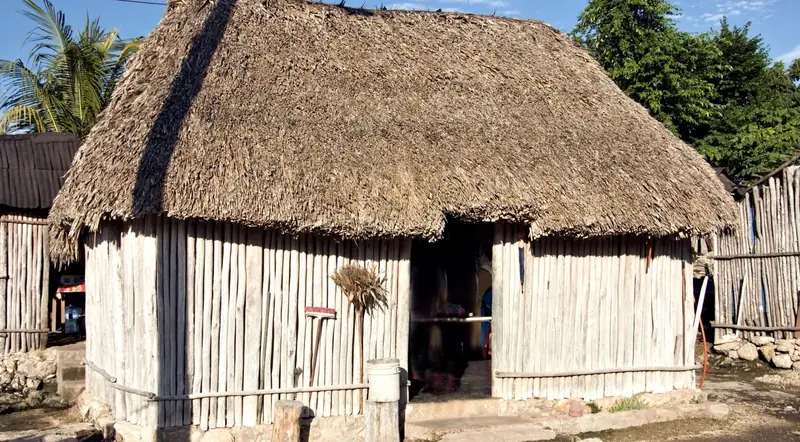
How much you pay for a Tulum ruins tour depends mostly on where you start. From Tulum itself, a guide for the ruins costs very little. From Cancún, Playa del Carmen and the resorts in between, you are paying for a day out with transport, a cenote and usually lunch, and the price on the booking page is often not the whole price.
The main price differences
- A good all-round choice if you are staying in Tulum: the Tulum Archaeological Zone Guided Walking Tour, from $17 per person.
- Most day trips from Cancún and the Riviera Maya cost $40 to $50 more than the booking price. The fee for the ruins, Jaguar Park and the cenote is paid in cash on the day, so the Cancún day trip to Tulum, Cenote Mariposa and Playa del Carmen, from $34, comes to about $74 per adult.
- The ruins themselves cost 265 pesos (about $15) for a foreign adult. That covers the archaeological zone, the national park and Jaguar Park, under the fees set in July 2026.
- Paying more mostly gets you a smaller group, lunch and every fee paid in advance. At $154, the small-group half-day with a cenote and a Mayan village costs less than the $165 small-group tour with two cenotes and lunch once its $50 cash fee is added.
- Every tour here is priced per person, except the private guides who meet you at the site. At the starting price, two people pay $34 on the walking tour and four pay $68. A private guide at $82 per group works out cheaper per person than the walking tour from five people.
- The $35 skip-the-line ticket costs more than twice the price at the gate. The skip-the-line entrance ticket is also rated 3.3/5, so we'd buy the ticket at the booth.
The tour we’d compare first
At $17, the walking tour is the lowest-priced way to see the ruins with a guide, and it has a much longer review record than the private guides at the site, with 4.9/5 from more than 100 reviews. It runs for 75 minutes, starts at the 7-Eleven opposite the ruins entrance and ends on the beach at Jaguar Park, where you can stay as long as you like.
You choose between two versions when you book: one with the entry tickets included, and a cheaper “economic package” where you buy them yourself in cash at the gate. The calendar below shows both prices for your date. Transport to the meeting point isn’t included, so it suits people already staying in or near Tulum.
If you are staying farther up the coast, these are the tours we’d look at next.
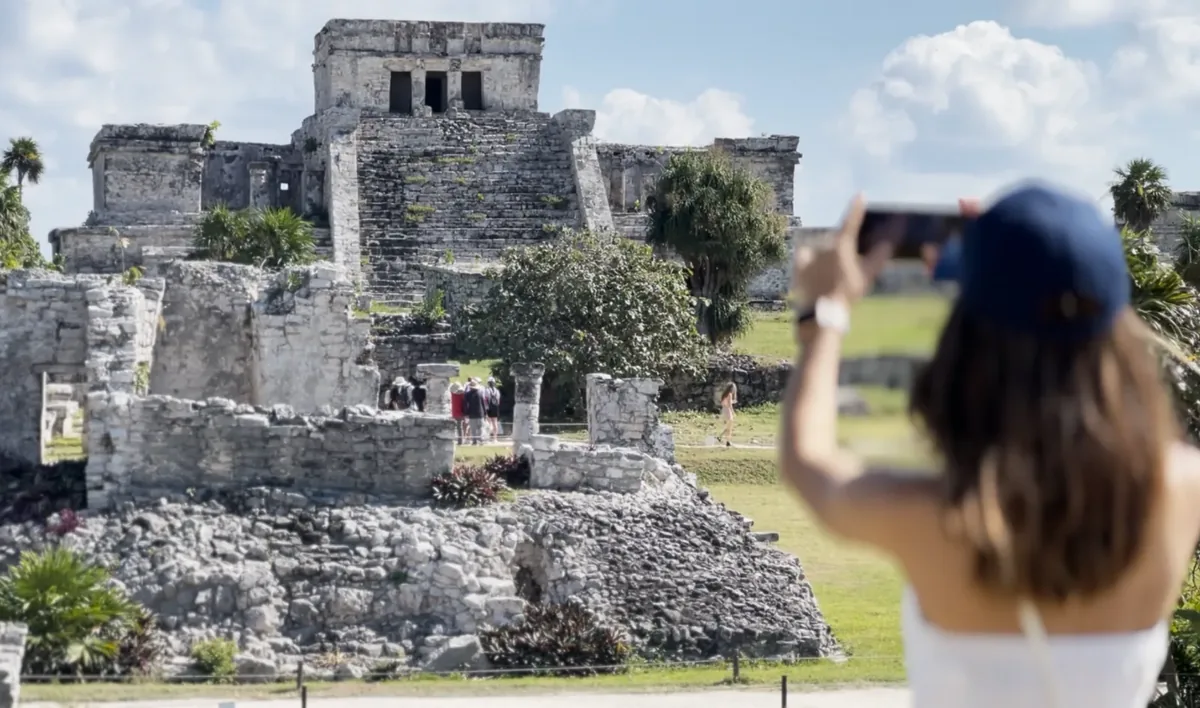
From Cancún: Tulum Ruins, Cenote Mariposa & Playa del Carmen
The Cancún day trip to Tulum, Cenote Mariposa and Playa del Carmen collects you from hotels in Cancún, Costa Mujeres and Puerto Morelos, and includes a buffet lunch. It costs from $34, plus $40 per adult in cash for the ruins, the park and the cenote, and it is rated 4.6/5 from more than 450 reviews. Best for a first visit from Cancún on a budget, as long as a 10-hour day in a large group suits you.

Riviera Maya: Tulum Ruins and 2 Cenotes Half-Day Tour
Staying at a resort between Playa del Carmen and Tulum, the Tulum ruins and two cenotes tour is the lowest-priced guided day on the coast: from $26, plus the same $40 cash fee, so about $66 per adult. It visits Cenote Chen-Ha and Cenote Mariposa, with snacks and water rather than lunch. It has the longest review record of any Tulum ruins tour, at 4.4/5 from more than 1,100 reviews, although the rating is a little lower than the others here.
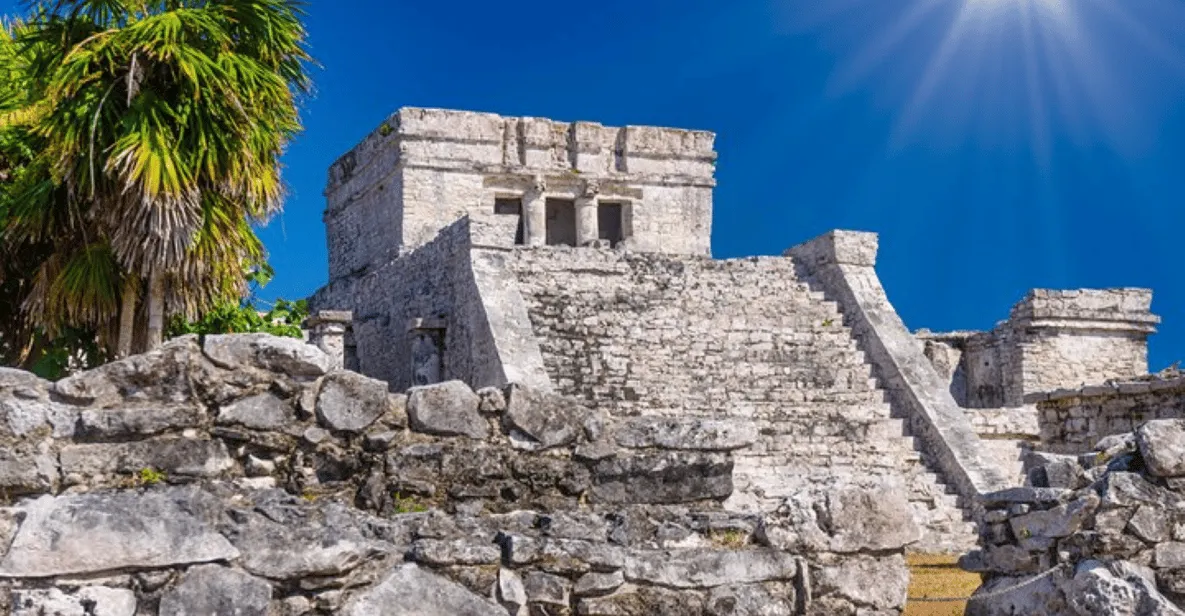
Tulum Highlights Tour including Cenote and Mayan Village, Half-Day, Small Group
If you'd rather not carry cash for fees, the small-group Tulum, cenote and Mayan village tour costs from $154 with the ruins, the Tulum tax and the cenote included, and its listing says there are no other fees. It picks up in Cancún, Puerto Morelos and the Riviera Maya, takes about six hours, and adds snacks and a tortilla workshop in a Mayan village. It is rated 4.6/5 from 80 reviews. One reviewer in September was asked for $30 each on board; the operator replied that this was an older version of the tour and that the current one has nothing to pay on the day.

Cancun: Tulum & Coba with Cenote, Cave Exploration and Lunch
For two sets of ruins in one day, the Tulum and Cobá day trip from Cancún costs from $41, plus $44 for the entry fees unless you choose its all-inclusive option. The day lasts 12 hours, with a buffet lunch, a cave swim and a tequila and chocolate tasting, and it is rated 4.5/5 from more than 250 reviews. On a shorter trip, you may prefer to keep Tulum to a morning and leave Cobá for another day.
Where do these tours start?
Most Tulum ruins tours are day trips from the big resort areas to the north. Hotel pickup is part of the price, and the day usually adds a cenote, a beach or a stop in Playa del Carmen. From Cancún, the drive takes about two hours each way, which is why these days run 8 to 12 hours.
If you are staying in Tulum, you can skip all of that. The walking tour and the private guides meet you at the site, and the guided bike tour with tacos and a cenote starts from a bike shop in town for $109, with all entry fees included (4.9/5, but from only 13 reviews so far). From Playa del Carmen, the two small-group tours in the table below are about 45 minutes from the ruins, which leaves more of the day for the cenotes and lunch.
Our guides for Tulum ruins tours from Cancún and tours from Playa del Carmen cover the pickup areas in more detail.
Other experiences you might enjoy
With a day to spare on this coast, most visitors add a swim in a cenote such as Gran Cenote or Dos Ojos, snorkel with sea turtles at Akumal, float through the lagoons of the Sian Ka’an Biosphere Reserve from the Muyil ruins, or climb the jungle pyramid at Cobá. Chichén Itzá and Valladolid make a longer day of their own. Current tours and prices are below.
What you get as you spend more
Mostly transport, lunch and a smaller group. The visit to the ruins changes very little: on the tours that publish a timetable, the time at the ruins runs from 75 minutes to about two hours, and every group follows the same roped path past El Castillo, which nobody has been allowed to climb since 1994.
Under about $35 on the booking page. This is either the walking tour from Tulum or a large coach day from Cancún or the Riviera Maya, where the $40 fee is added on the day. The Tulum ruins and two cenotes tour is the typical example: hotel pickup, two cenotes and a large group.
About $40 to $85, plus the fee. The coach days get longer and add a second stop worth the drive, such as Cobá or the sea turtles at Akumal, usually with a buffet lunch. The Tulum, cenote and Akumal turtle day from Cancún costs from $84 plus $40 in cash, rated 4.5/5 from more than 350 reviews.
About $140 to $200. Groups get smaller, lunch or snacks are part of the day, and on most tours at this price the fees are already paid. Some tours at this price still add a $50 conservation fee in cash, which is worth checking before you compare: the $154 small-group cenote and Mayan village tour has nothing to pay on the day, while the small-group ruins, two cenotes and lunch tour from Playa del Carmen comes to $215 with its fee.
Private tours. A private guide who meets you at the ruins is priced per group, and a private day with transport costs from $159 per person. Both are covered further down.
Add the cash fee before you compare
The fee is listed under “not included” on each tour’s booking page, so it is easy to miss. It is per adult, it is usually paid in cash when you board or at the site, and children pay less ($20 to $25 on the tours that list a child rate). The ruins’ own fee is 265 pesos (about $15); the rest of the amount covers the cenote and the other park charges each listing names.
| Tour | Booking price | Paid on the day | Total per adult |
|---|---|---|---|
| Tulum Ruins and 2 Cenotes (Riviera Maya) | from $26 | $40 | $66 |
| Tulum Ruins, Cenote Mariposa & Playa del Carmen (Cancún) | from $34 | $40 | $74 |
| Tulum & Coba with Cenote and Lunch (Cancún) | from $41 | $44 | $85 |
| Coba, Tulum Ruins, Cenote Mariposa & Lunch (Riviera Maya) | from $59 | $42 | $101 |
| Coba, Tulum, Cenote Mariposa & Mayan Traditions (Cancún) | from $59 | $42 | $101 |
| Tulum and Akumal Cenote and Turtle Swim (Cancún) | from $84 | $40 | $124 |
| Tulum Highlights, Cenote and Mayan Village (Cancún, Riviera Maya) | from $154 | none | $154 |
| Ruins, 2 Secret Cenotes and Mexican Lunch (Playa del Carmen) | from $165 | $50 | $215 |
| Mayan Ruins, Turtles, Cenote and Lunch (Playa del Carmen) | from $165 | $50 | $215 |
Two of these share the same itinerary, the same wording and the same price: the Cobá and Tulum days from the Riviera Maya and from Cancún differ only in where they pick you up.
At the starting price, two adults on the Cancún day trip pay $148 including the fee, and four pay $296.
All the Tulum ruins tours we’d consider
| Tour and where it starts | From price | Length | What’s included | Rating |
|---|---|---|---|---|
| Archaeological Zone Guided Walking Tour (Tulum) | $17 | 75 minutes | Guide, Jaguar Park beach; tickets in one version | 4.9 (110) |
| Tulum Ruins and 2 Cenotes Half-Day Tour (Riviera Maya) | $26 + $40 fee | 8 to 8.5 hours | Hotel pickup, two cenotes, snacks | 4.4 (1,168) |
| Tulum Ruins, Cenote Mariposa & Playa del Carmen (Cancún) | $34 + $40 fee | 10 hours | Hotel pickup, cenote, buffet lunch, Playa del Carmen | 4.6 (457) |
| Tulum & Coba with Cenote, Cave Exploration and Lunch (Cancún) | $41 + $44 fee | 12 hours | Cobá, cave swim, buffet lunch | 4.5 (288) |
| Coba, Tulum Ruins, Cenote Mariposa & Lunch (Riviera Maya) | $59 + $42 fee | 12 hours | Cobá, cenote, buffet lunch | 4.5 (96) |
| Coba, Tulum, Cenote Mariposa & Mayan Traditions (Cancún) | $59 + $42 fee | 12 hours | Cobá, cenote, buffet lunch | 4.5 (131) |
| Tulum and Akumal Cenote and Turtle Swim (Cancún) | $84 + $40 fee | 10 hours | Cenote, Akumal turtle snorkel, lunch | 4.5 (376) |
| Guided Bike Tour of Tulum Ruins, Tacos & Cenote (Tulum town) | $109 | 3 to 5 hours | Bike, all entry fees, taco lunch | 4.9 (13) |
| Exclusive Rio Secreto and Tulum Tour (Riviera Maya) | $139 | 8.5 to 9.5 hours | Small group, Río Secreto caves, ruins entry, lunch | 4.3 (61) |
| Tulum Highlights, Cenote and Mayan Village (Cancún, Riviera Maya) | $154 | 6 hours | Small group, all fees, cenote, snacks | 4.6 (80) |
| Ruins, 2 Secret Cenotes and Mexican Lunch (Playa del Carmen) | $165 + $50 fee | 7 hours | Small group, two cenotes, lunch | 5.0 (35) |
| Mayan Ruins, Swimming with Turtles, Cenote and Lunch (Playa del Carmen) | $165 + $50 fee | 8 hours | Cenote, Akumal turtle snorkel, lunch | 5.0 (14) |
| Tulum Ruins, Cenotes & Jungle Adventure (Tulum town and hotel zone) | $199 | 7 hours | Small group, zip line, kayaking, lunch, all fees | 4.9 (19) |
Prices checked 6 October 2026, per person in US dollars. Prices may vary depending on the day you pick, so check the booking page for the current price. Peso amounts are converted at 18.06 pesos to the dollar (6 October 2026) and are approximate.
Every tour named on this page links to its GetYourGuide listing, with its rating and number of reviews beside it. A small number of reviews is a reason to read them before you book rather than a verdict on the tour. Newer listings with no reviews yet are left out of the table.
What does a private Tulum ruins tour cost?
The private guides who meet you at the site are priced per group. The private guide for the Mayan ruins costs from $82 for a group of up to 12, for about two hours, with entry tickets and transport not included. For four people that is $14 more than four places on the walking tour ($68), and from five people the private guide costs less per person, at about $16 each. It is rated 4.5/5, but from only 13 reviews, so read them before you book. A newer private guide service in the language you choose costs from $138 per group and has no reviews yet. For a private guide with a longer record, the Tulum Ruins 4-Hour Private Guided Tour, booked through Viator, includes hotel pickup, snacks and all entry fees and is rated 4.9/5 from more than 200 reviews. It is priced per person, from $149 with a minimum of two adults, so two people pay $298.
Private day trips with transport are priced per person, so they don’t get cheaper as your group grows. The private ruins, reef snorkel and two cenotes tour costs from $159 per person, though Jaguar Park entry is extra; it is rated 5.0 from just 5 reviews. The private ruins, turtles, cenote and beach day costs from $232 per person, rated 5.0 from 6 reviews. Both are too new for us to recommend on their record, and our guide to private and group tours explains when going private is worth it.
Do you need the skip-the-line entry ticket?
We wouldn’t buy it. The Tulum skip-the-line entrance ticket costs from $35 and covers the ruins, Jaguar Park, the beach and the electric shuttle, with no guide. At the gate, a foreign adult pays 265 pesos (about $15) for the same entry, plus 20 pesos (about $1) for the shuttle. The ticket is rated 3.3/5 from more than 150 reviews. Our tickets and entry fees guide explains where and how you pay at the site.
Other costs on the day
- Entry, if your tour doesn’t include it. 265 pesos (about $15) for a foreign adult, or 80 pesos for Mexican nationals from Monday to Saturday, with free entry on Sundays. This is the government rate set in July 2026. On the walking tour’s economic package, the listing still asks you to bring MXN 515, which is close to the old fee, so bring what the listing asks unless the operator confirms otherwise.
- The electric shuttle. 20 pesos to ride from the Jaguar Park entrance towards the ruins, or you can walk.
- Tips. Tipping guides and drivers is customary in Mexico, and most listings name tips as extra. Bring pesos in small notes.
- Food and drinks. The walking tour includes neither, and on the coach days drinks with lunch are usually extra.
- Cenote lockers and life jackets. Included on some day trips and extra on others, so check the listing.
Pay in pesos where you can, and decline any offer at a card terminal to charge you in your home currency, which usually costs more than letting your bank convert it.
Is it worth paying more?
If you are staying in Tulum, the walking tour gives you a guide at the ruins for very little, and there is no reason to pay for a day trip. From Cancún or the Riviera Maya, it is worth paying for a small group if a long day on a large coach would spoil it for you, or if you’d rather have every fee paid before you leave. If you are happy in a big group and carry the cash fee, the lower-priced coach days take you to the same ruins with the same kind of guide.
Frequently Asked Questions
How much does a Tulum ruins tour cost?
A guided walking tour from Tulum costs from $17 per person. Day trips from Cancún and the Riviera Maya start at about $26 to $34 on the booking page, but most add a $40 fee per adult in cash on the day, so they come to about $66 to $74. Small-group tours with every fee included start at about $154.
What is the cash fee on Tulum day trips from Cancún?
It covers the entry to the ruins, Jaguar Park and the cenote park, and the listings put it at $40 to $50 per adult, with lower rates for children. It is listed under “not included” and is usually paid in cash when you board or at the site.
How much is the entrance fee to the Tulum ruins?
265 pesos (about $15) for a foreign adult since July 2026, covering the archaeological zone, the national park and Jaguar Park. Mexican nationals pay 80 pesos from Monday to Saturday and enter free on Sundays.
Is a private Tulum ruins tour worth it?
For five or more people, a private guide at the ruins can cost less per person than the walking tour, because it is priced per group. For two people it costs much more. Private day trips with transport are priced per person, so they stay expensive whatever the size of your group.
Should I buy the skip-the-line ticket for the Tulum ruins?
We wouldn’t. It costs from $35, while the same entry at the gate costs 265 pesos (about $15), and the ticket is rated 3.3/5.
Are tips included in Tulum tour prices?
Usually not. Tipping guides and drivers is customary in Mexico, and most listings name tips as extra, so bring some pesos in small notes.
Related: the complete Tulum ruins tours guide · what to know about the walking tour · Tulum ruins tickets and entry fees · Tulum ruins and cenote tours · best time to visit the Tulum ruins
Walk Through 800 Years of Maya History
Join guests who rated this guided walking tour 4.9/5. A certified local guide, skip-the-confusion entry, and beach access afterward — all included. Free cancellation.
Check Availability & Book